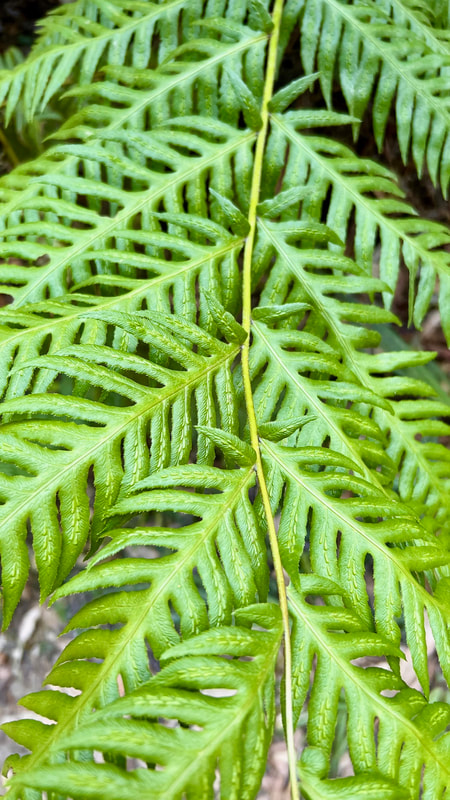
 El Corte De Madera Creek Preserve, California, USA Walking along the trail, I reach out to touch the leaves of the trees. In that brief moment, I sense an exchange of energy between us, and I offer them my gratitude—simply for existing and being, for contributing to the world in their quiet, steadfast way. And then it strikes me: shouldn’t I offer this same gratitude to everyone in my life? To appreciate each person, especially those I’ve had conflicts with, for who they truly are, without expecting them to be anything else. This exchange with the trees becomes an exchange of wisdom: Love others just as they are, without expecting more or less from them. - Feelasoulphy
0 Comments
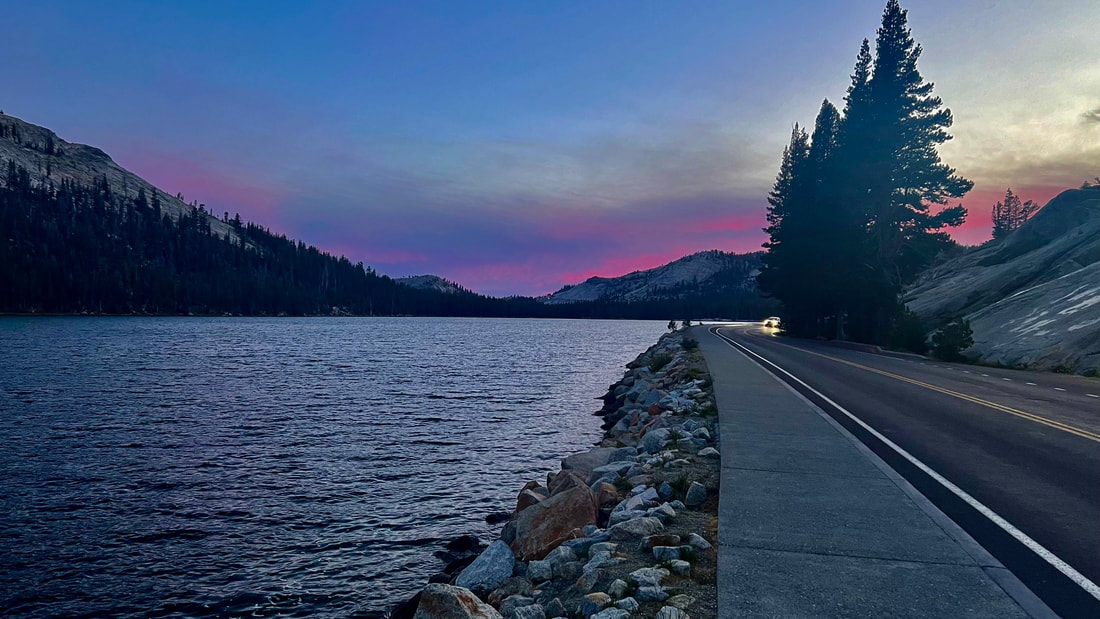 Sunset at Tenaya Lake, Yosemite National Park, California, USA If you're unsure about what aspects of yourself to work on, start by noticing any instances where you tell lies, even small white lies. Ask yourself why you felt the need to be dishonest. Often, there's a deeper reason or truth hiding behind the lie. Uncovering this can lead to profound self-discovery. For instance, the act of lying can sometimes be a defense mechanism or a way to avoid confronting uncomfortable truths or fears. By asking yourself why you felt the need to lie, you can begin to address underlying issues, leading to personal growth and a more authentic life. - Feelasoulphy  If ego gratification fuels your cause, you might resort to unethical actions to satisfy it, risking burnout and even severe irreversible consequences. A lasting motivation requires a higher purpose beyond self-preservation to endure a lifetime. Consider the contrasting stories of Lance Armstrong and Mahatma Gandhi. Armstrong's ego-driven decisions in professional cycling, such as doping scandals, resulted in a downfall. In contrast, Gandhi, motivated by a higher purpose of justice and societal improvement, pursued nonviolent resistance for India's independence. Reflect on whose legacy endures—Armstrong's with consequences or Gandhi's with lessons for current and future generations. Who would you aspire to be? - Feelasoulphy  You don’t have to understand emotions to experience them but when you do understand them you will be able to control them. - Feelasoulphy 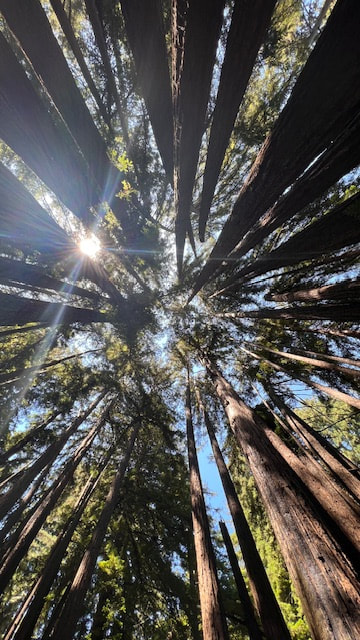 Redwood Trees in Aptos, CA We aren't meant to single-handedly transform someone entirely, much like how we can't claim sole credit for growing a tree. Whether we're the seeder, soil, water, sun, insects, or birds, each plays a crucial role in the tree's growth. Attempting to take full responsibility for the entire process is egotistical; it's more effective to focus on our part, letting others contribute to the rest of the journey. Just as too much water or sun can harm a tree, recognizing our limits and embracing a collaborative approach is key to meaningful progress. - Feelasoulphy  Why do some animals employ camouflage? It serves as their survival mechanism, shielding them from potential dangers and aiding in hunting by allowing them to conceal themselves. Elephants and rhinos, however, don't require camouflage. Why? Simply put, they face no imminent threats and have no need to hunt for food. They exist comfortably in their own skins. Consider humans who alter their personalities in various environments. This behavior may stem from fear, either of non-acceptance or discomfort in expressing their true selves, or it could be driven by a desire to achieve specific objectives. Reflect on yourself – are you or anyone you know camouflaging? If so, for what reason? - Feelasouply |
AuthorFeelasoulphy Categories
All
Archives
March 2026
|
 RSS Feed