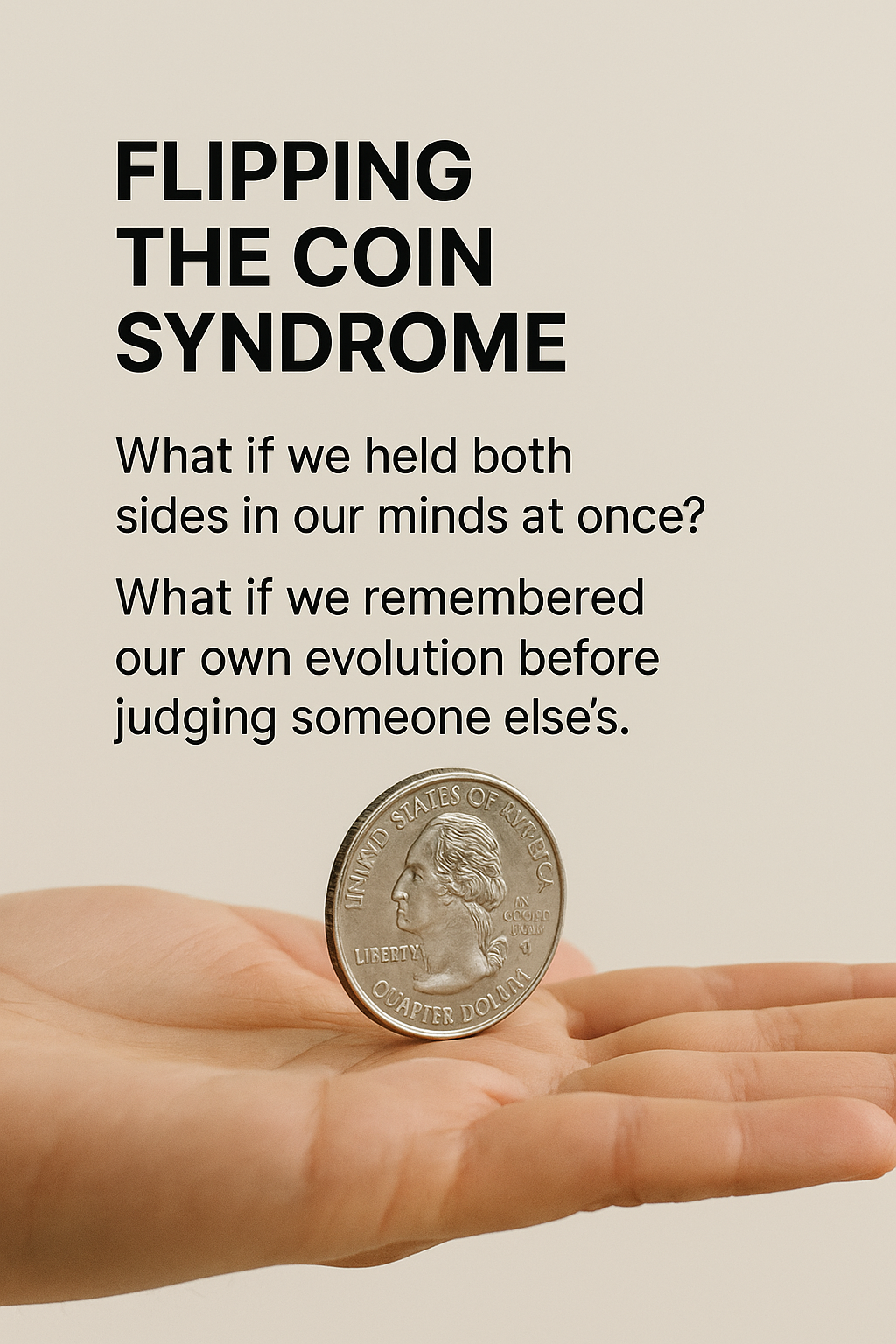
 Have you ever noticed how easy it is to forget what you once believed? We humans have a strange habit I call “Flipping the Coin Syndrome.” We treat our beliefs like a coin in our hand. When we’re staring at one side—the side we now agree with—it feels like the only truth. We forget that the other side even exists. When we learn something new, it’s as if the old belief evaporates. We distance ourselves from it. We disown it. And then, ironically, we often start judging anyone who still holds that old view—as if we were never like them. We forget that the coin still has two sides. Think about it:
In all these cases, the judgment carries a kind of convenient amnesia. It’s as if we want to deny the simple truth that we once stood exactly where they’re standing now. Why do we do this? Perhaps because it’s uncomfortable to hold both sides of the coin in our mind at once. To admit that both perspectives have a reality to them. That our past self wasn’t simply “wrong,” but growing. That the people we’re judging are simply in process, just like we are. We prefer certainty. Simplicity. The security of believing: “Now I’m right. Then I was wrong.” “I’m enlightened. They’re lost.” But reality is rarely so neat. The Cost of Forgetting When we forget the other side of the coin, we don’t just lose empathy for others. We lose humility. We lose the chance to see ourselves as travelers on a path rather than owners of the truth. We also close the door on learning even more. Because what if the side we’re dismissing still has something to teach us? Holding Both Sides What if, instead, we practiced remembering? Remembering where we used to be. Remembering that growth is messy and slow. Remembering that certainty can be a cage. Imagine looking at someone you’re tempted to judge and asking: “What did it feel like to see the world the way they do?” “What did I need when I was there?” “How would I have wanted someone to treat me?” That’s not weakness. It’s wisdom. An Invitation We don’t have to flatten complexity. We can hold it. We can remember both sides of the coin at once. We can let our past selves humble us. We can let other people’s current struggles soften us. We can be firm in our values without forgetting our own evolution. Judgment shrinks the world. Compassion expands it. If you find yourself flipping the coin today, try holding it steady in your palm. Look at both sides. See the whole picture. You might find that truth is bigger than you thought. What’s a belief you’ve changed your mind about? How do you treat people who still hold the view you used to?
0 Comments
Judging someone based on their appearance—or even on your experiences with them—rarely captures who they truly are. When we judge, we often see through the lens of our own past and present states, which can color our perception. This is known as projection: we’re using our own experiences and mental state to interpret someone else’s, often without realizing it.
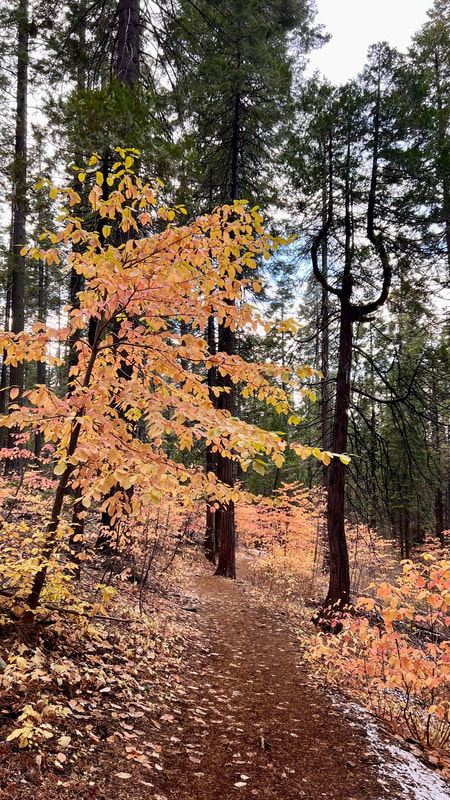
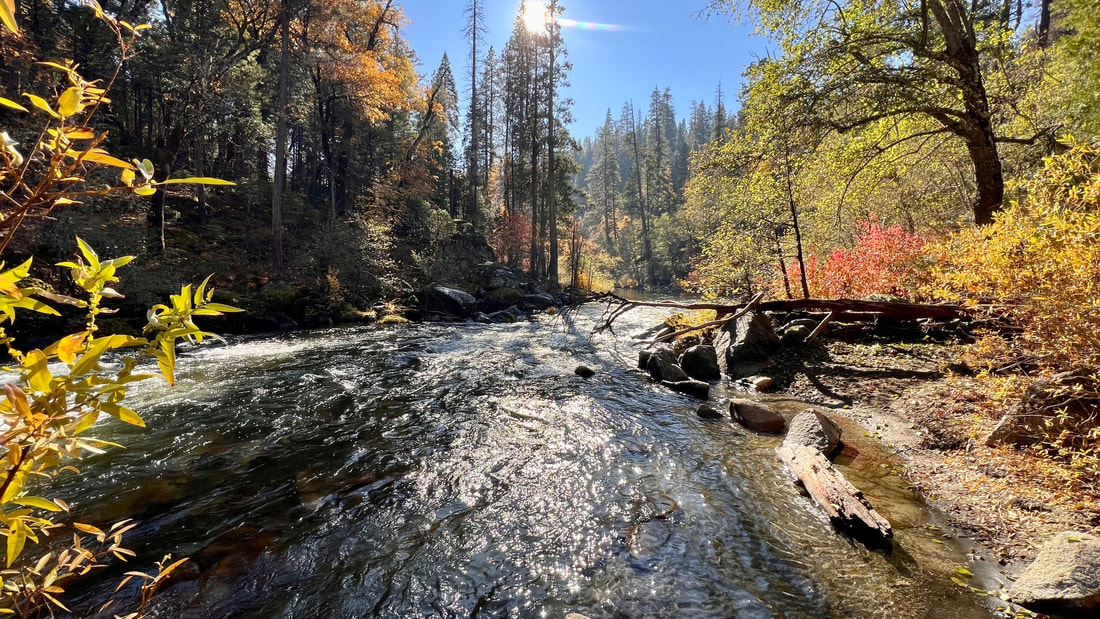
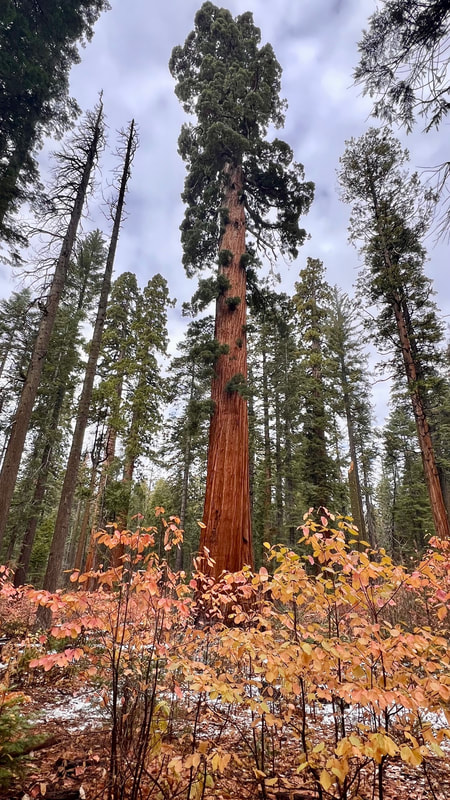
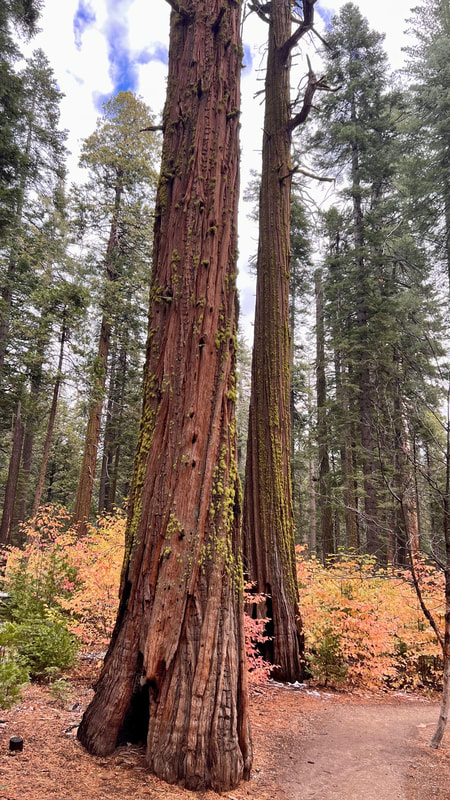
When you judge a person, you’re often judging the outcomes of their experiences, not the person themselves. Who they are is shaped by a lifetime of unique experiences, struggles, and perspectives that we may never fully understand. So, when you judge, are you truly assessing them, or are you reflecting aspects of yourself? Are you judging their experiences, which you know little about, or projecting your own onto them? This issue becomes even more complex when we judge based on someone’s culture or background. Often, we rely on limited information—perhaps what we’ve read, heard, or experienced in a few interactions with certain individuals. But this narrow lens is insufficient to conclude anything substantial about an entire culture or any person within it. Furthermore, our judgments are influenced by our own cultural understanding, which inevitably shapes our biases. Since no two cultures share the same history, judgments based on these fragments are inherently flawed. This flaw becomes especially damaging when we judge entire groups or races based on limited interactions, leading to stereotyping. If understanding an individual requires deep awareness, imagine the impossibility of truly grasping the diversity of an entire race or culture. In addition to being incomplete, judgment also affects the one doing the judging. Even if we never manifest these judgments into actions, they impact us internally. Judgment rarely brings peace, joy, or love; instead, it stirs subtle emotions like irritation, disgust, and annoyance, and can even escalate to feelings of anxiety, fear, anger, or stress. Imagine the state of mind created by constantly judging someone or a group of people. When judgment becomes habitual, it can cloud our inner peace, draining our energy and well-being. Every little judgment we hold also creates a subtle distance between us and others. These small moments of separation accumulate over time, creating a much larger divide until we feel completely separate from the person or group. This is how judgment slowly builds an illusion of separation from the original unity that binds us all. In truth, we are one, interconnected like threads in a single tapestry, inseparable in the flow of energy that sustains us. The separation we feel is an illusion, constructed by our physical eyes and mind. Each judgment reinforces this illusion, eventually forming a belief system that shapes our decisions and interactions. When we forget our unity and buy into this illusion of separation, we disconnect from our true nature and from the peace that comes from remembering we are all part of each other. It starts with small, seemingly harmless judgments. At first, they might feel insignificant, but over time, these judgments can grow, breaking down relationships between lovers, friends, and family. The disconnection can expand into entire communities, countries, and even lead to global conflicts. Wars, whether personal or political, often begin with small arguments or misunderstandings—rooted in judgments that escalate and spiral out of control. This is the power of judgment: what begins as a small seed of separation can eventually cause massive division and harm. In this way, judgments are fleeting and subjective snapshots—rarely capturing the whole truth of a person or a group. To judge fairly would require fully understanding their experiences, which is nearly impossible. So perhaps the best approach is to hold judgment lightly, with an open mind and heart, remembering the unity that binds us all. 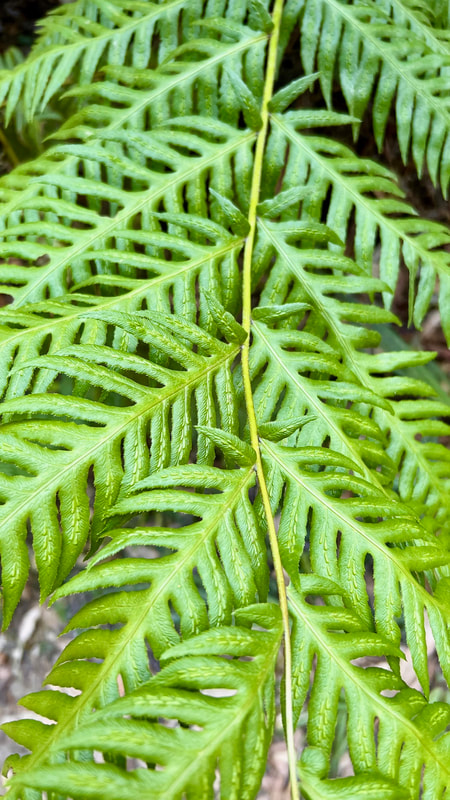 El Corte De Madera Creek Preserve, California, USA Walking along the trail, I reach out to touch the leaves of the trees. In that brief moment, I sense an exchange of energy between us, and I offer them my gratitude—simply for existing and being, for contributing to the world in their quiet, steadfast way. And then it strikes me: shouldn’t I offer this same gratitude to everyone in my life? To appreciate each person, especially those I’ve had conflicts with, for who they truly are, without expecting them to be anything else. This exchange with the trees becomes an exchange of wisdom: Love others just as they are, without expecting more or less from them. - Feelasoulphy 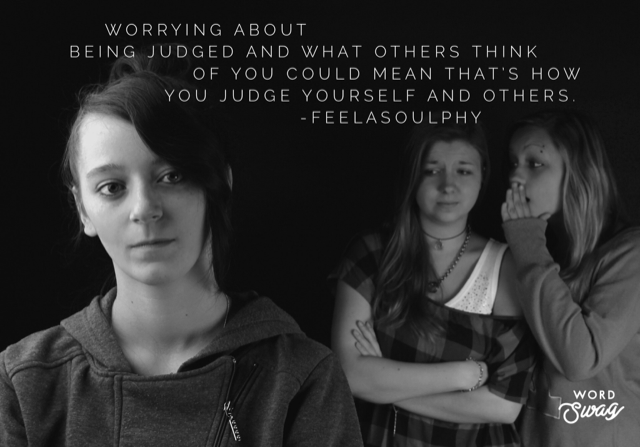 Worrying about being judged and what others think of you could mean that’s how you judge yourself and others. - Feelasoulphy  Judging someone is like looking at a photo. The glimpse of our vision is extremely limited that we depend on our mind to do the rest. However, the mind will speculate and fabricate stories but it will never be able to perceive the complete truth. - Feelasoulphy 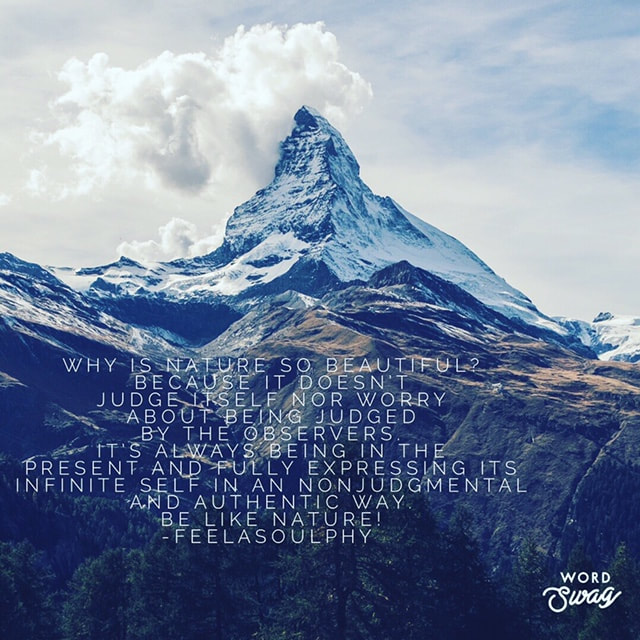 Why is nature so beautiful? Because it doesn’t judge itself nor worry about being judged by the observers. It’s always being in the present and fully expressing its infinite self in an nonjudgmental and authentic way. Be like nature! - FeelaSoulphy  If you don’t accept who you are, how can you accept others and be accepted by others? If you don’t think you are attractive, how can you expect others to attract to you? If you are not honest to yourself, how can you be honest to anyone else? If you judge others it’s because you judge yourself. Love yourself unconditionally first you will learn how to love others and be loved unconditionally. Improve yourself and start within... - FeelaSoulphy 
Don’t ever judge your old selves because they were crucial for the growth of your new self. - FeelaSoulphy |
AuthorFeelasoulphy Categories
All
Archives
March 2026
|
 RSS Feed