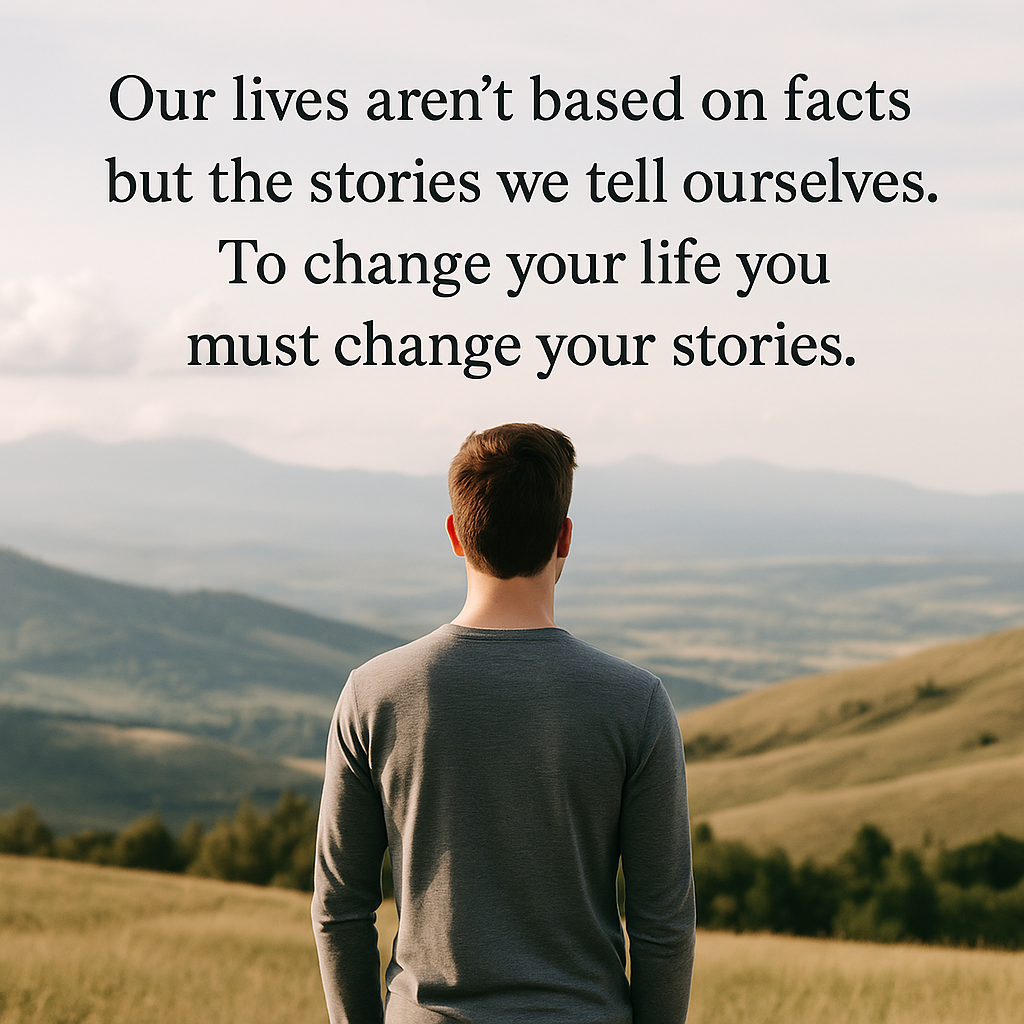
 (Part of The Story Series) Introduction: Why This Story Matters We don’t just tell ourselves stories about who we are or about the people in our lives. We also hold a powerful story about the world itself. Is it safe or dangerous? Friendly or hostile? Full of opportunity or scarcity? Evolving or falling apart? Most of us rarely realize how deeply these beliefs shape not just our choices, but the very reality we participate in creating. “The world we see is a reflection of how we see it.” How It Works in the Mind Your worldview acts like the largest filter of all — the lens through which you interpret everything.
What’s even more important: your personal worldview doesn’t just stay with you. It spreads to those you influence — friends, family, community. Collectively, our worldviews become the shared story that actually drives history. Historic Examples War Through Story Think of leaders who convinced entire nations that their survival required hating another group.
It all began with a story about the world: “They are dangerous. We must destroy them to survive.” Belief Shapes Discovery In contrast:
The collective view literally changed the map. Personal Example Maybe your parents taught you: “The world is a dangerous place. Don’t trust anyone.” Even if they meant to protect you, you might have lived decades with fear, guardedness, and missed opportunities for connection. Or perhaps you were taught: “The world is full of possibilities. People are mostly good.” This story probably made you more open, curious, and willing to try new things. Why It Matters So Much Your worldview doesn’t just stay in your head. It drives your behavior. It influences others. It becomes self-fulfilling. If enough people see the world as hopeless, they stop trying to improve it. If enough people see the world as capable of change, they act — and the world changes. Analogy: The Collective Mirror Imagine humanity standing before a giant mirror. What we see reflected back isn’t objective reality, but the sum of what we believe about the world. If billions see hostility, they behave defensively — and the world becomes hostile. If billions see possibility, they build bridges, invent, heal, and evolve. Good and Bad Stories About the World Good Examples:
Your Reflection Practice Pick a quiet time and write honestly about these prompts:
Your Assignment
Remember: Changing your story about the world is one way you help change the world itself. Closing Thought “We don’t see the world as it is, we see it as we are.” You have the power to choose how you see — and how you help shape what the world becomes. The story you hold isn’t just for you. It’s part of the story we all share. Let’s make it one worth living in. Read: Part 1: The Story We Tell About Ourselves Part 2: The Story We Tell About Others
0 Comments
Leave a Reply. |
AuthorFeelasoulphy Categories
All
Archives
May 2025
|
 RSS Feed